
Kaliningrad: Living on the Ruins of East Prussia
A documentary photo collection about identity, memory and life in Russia’s western exclave.
This photo collection is part of the Oleg Klimov Photo Archive and brings together documentary photographs from Kaliningrad Region — Russia’s western exclave on the Baltic Sea and one of the few places in the country where the question “Who are we?” is not abstract philosophy, but part of everyday life.
Kaliningrad is a territory built on displacement, erasure and replacement. The former East Prussian land was incorporated into the Soviet Union after the Second World War and repopulated as though it were empty. German towns, houses, churches, cemeteries and landscapes were renamed, rebuilt, neglected or repurposed to fit Soviet life.
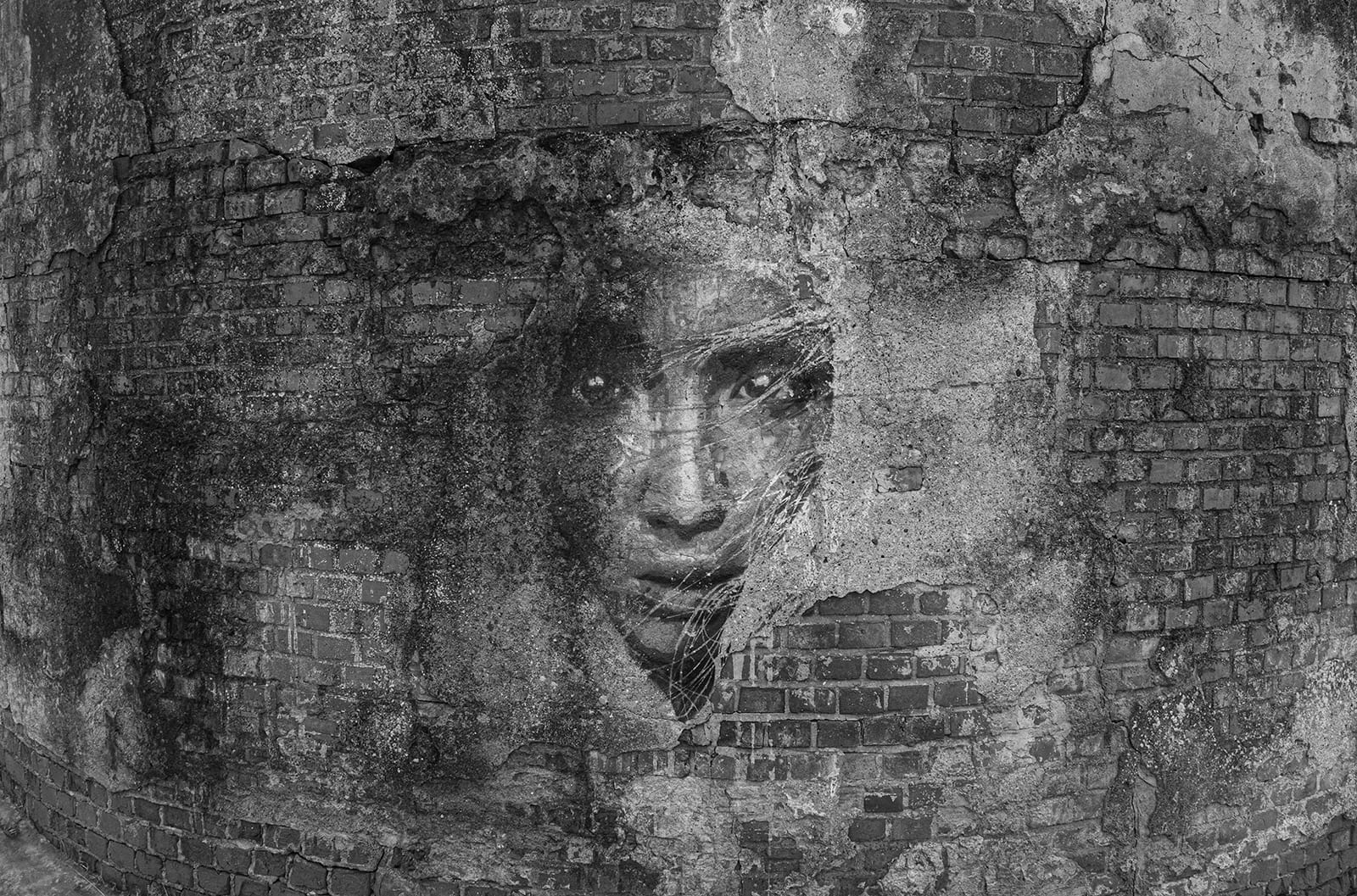
Yet the past did not disappear completely. It remains in architecture, ruins, street plans, brickwork, family stories, local myths, restored façades, abandoned churches and the uneasy language of identity. People live inside this layered landscape every day — often without a clear answer to whether they belong to Russia, Europe, Prussia, the Soviet past, or something else entirely.
One young resident, Alexei S., a student at Immanuel Kant Baltic Federal University, described this ambiguity simply: “I was born in an old German house. I still live there. I study at a university named after a German philosopher, and I drive an old German Volkswagen. I’ve been to Lithuania, Poland and Germany, but I have never been to mainland Russia. So who am I?”
For Oleg Klimov, Kaliningrad Region is not only a borderland or a geopolitical anomaly. It is a living archive of memory, identity and power — a place where history has been erased, reconstructed and used again by the state. To understand what is happening in the region today, from the suspicion of so-called “Germanizers” to trials of alleged “separatists,” one has to begin with how Kaliningrad Region was created in 1946, and what it has become by 2026.
This collection includes photographs from long-term work in Kaliningrad Region, with captions, dates, locations and contextual information. Public viewing is available online. High-resolution files are not available for direct public download, but access can be requested for editorial, research, exhibition or publishing purposes.
Public viewing is available online. For HiRes files, publication rights or exhibition use, please contact Oleg Klimov.